Health and Safety Policy for Cleaner Roehampton
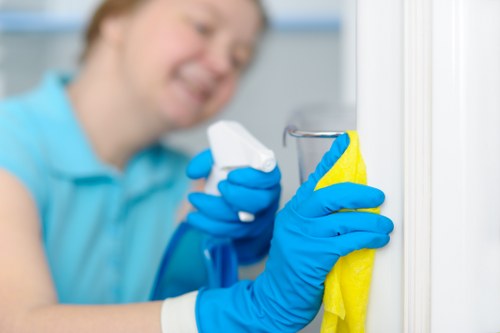 Cleaner Roehampton is committed to maintaining a safe, healthy, and well-organised working environment for all cleaning staff, supervisors, and anyone who may be affected by cleaning activities. This policy sets out the standards expected during day-to-day operations and reflects our responsibility to reduce risks, prevent accidents, and support safe working practices. It applies to every cleaner, regardless of location or shift pattern, and should be followed alongside site-specific procedures and lawful requirements.
Our approach is based on prevention, communication, and accountability. We recognise that cleaning work can involve physical strain, contact with chemicals, wet surfaces, sharps, dust, and moving equipment, so it is essential that tasks are planned carefully. Every cleaner should be trained to work safely, report hazards promptly, and use equipment only for its intended purpose. Managers must ensure that duties are assigned in a way that does not place unreasonable pressure on staff or create avoidable risks.
 The main objective of this health and safety policy is to protect people from harm while maintaining high cleaning standards. All cleaners are expected to wear suitable personal protective equipment where required, follow instructions for dilution and storage of cleaning products, and respect warning signs such as wet floor notices. Safety is not an optional extra; it is part of professional cleaning practice and a key factor in delivering reliable services.
Risk assessment is central to safe working. Before cleaning begins, the environment should be checked for potential dangers such as obstructed walkways, broken fixtures, exposed cables, or unsafe waste materials. If a task presents a higher level of risk, it must be adjusted, postponed, or carried out with additional controls. Cleaner Roehampton expects workers to stop and seek guidance if they are unsure about a process or believe a task may be unsafe.
Manual handling is another important consideration. Cleaning staff often lift, carry, push, and pull items such as vacuums, bins, mop buckets, and stock containers. To reduce strain and injury, cleaners should use correct lifting techniques, avoid twisting when carrying loads, and request assistance for heavy or awkward items. Equipment should be stored in accessible areas so that staff do not need to stretch, bend, or reach unsafely.
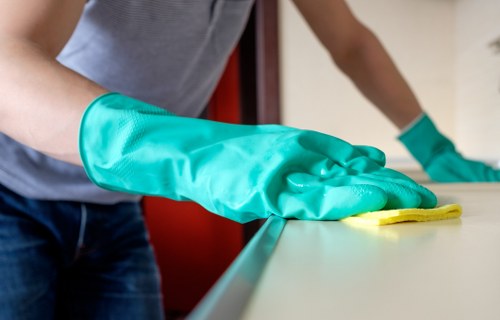 Cleaning chemicals must always be handled with care. Products should be labelled clearly, stored securely, and never mixed unless the instructions specifically allow it. Staff should read safety information before use and follow the recommended dosage to avoid exposure or surface damage. In addition, any spill should be cleaned promptly using the correct method to prevent slips or contamination. Where irritation or exposure occurs, the incident should be reported immediately.
Fire safety and emergency readiness are also included within this policy. Cleaners must know the location of fire exits, assembly points, and emergency equipment before starting work in any area. Escape routes should remain clear at all times, and cleaning activities must not interfere with alarms, extinguishers, or evacuation procedures. In an emergency, staff should stop work safely, leave the area quickly, and follow the instructions of the responsible person or emergency services.
Good hygiene is essential in every cleaning environment. Staff should wash their hands regularly, especially after handling waste, chemicals, or contaminated surfaces. Cuts, grazes, and other injuries should be covered with suitable dressings before work begins. Where tasks involve bodily fluids or waste, extra protective measures must be used to reduce the risk of infection. Clean uniforms and appropriate footwear are also important for maintaining a safe and professional standard.
We also recognise the importance of wellbeing and fatigue management. Cleaning schedules should allow reasonable time for tasks to be completed safely, without rushing or skipping important steps. Rest breaks should be taken where appropriate, and staff should be encouraged to speak up if workload, stress, or repetitive movement is affecting their health. A strong safety culture depends on openness, support, and respect.
 Training and supervision play a major role in keeping operations safe. New cleaners should receive clear induction on equipment, chemicals, reporting procedures, and emergency action. Refresher instruction may be given when methods change or when additional risks are identified. Supervisors should monitor standards regularly, correct unsafe behaviour, and ensure that safety expectations are understood across the team. Consistent supervision helps maintain safe habits and reduces the likelihood of incidents.
All accidents, near misses, and hazards must be reported as soon as possible so that corrective action can be taken. Reporting should include details of what happened, where it occurred, and any immediate steps taken. This information helps identify patterns and improve future control measures. Even minor events matter, because small issues can develop into serious problems if ignored. A transparent reporting process supports continuous improvement and safer working conditions.
 This policy will be reviewed regularly to ensure it remains effective, practical, and up to date. Changes may be made following an incident, a change in equipment, updated procedures, or new risk findings. By following this policy, Cleaner Roehampton demonstrates a clear commitment to safe working practices, responsible management, and the protection of everyone involved in cleaning operations. Safety and quality go hand in hand, and both are essential to professional service delivery.